Transform Your Factory's Future: Smart Quality Systems for Flawless Production and Zero Defects
In the world of modern manufacturing, the margin for error has vanished. Consumers and regulators demand perfection, and a single defect can lead to costly recalls, damaged reputations, and lost revenue. For forward-thinking manufacturers, the goal is clear: achieve zero defects and flawless production. But how?
The answer lies in a powerful trifecta: Vision Systems, Quality System Integration, and broader Digital Transformation.
This isn’t just about incremental improvement; it’s about fundamentally transforming how you guarantee quality from the factory floor to the customer’s door.
The Limits of the Human Eye: Why Traditional Methods Fail
For decades, quality control has relied on manual inspections. A trained operator visually examines products, checks measurements, and makes pass/fail decisions. While valuable, this approach has its inherent limitations:
Subjectivity and Fatigue: Human inspectors get tired. Their judgment can vary from hour to hour, leading to inconsistent results.
Invisible Defects: The human eye cannot see micro-fractures, subtle surface imperfections, or internal component misalignments that can cause catastrophic failures later.
Speed vs. Accuracy: In high-speed production environments, it’s impossible for a person to inspect thousands of components per minute without sacrificing accuracy.
These limitations are a significant risk, especially in industries like electric vehicle battery manufacturing or precision engineering, where a tiny flaw can have major safety implications.
The New Eyes of Manufacturing: The Power of Vision Systems
This is where advanced Vision Systems come in. Think of them as the flawless, tireless, and hyper-accurate eyes of your operation. Powered by high-resolution cameras, sophisticated sensors, and artificial intelligence (AI), these systems inspect products with superhuman precision.
Modern vision systems can:
Detect Microscopic Flaws: Identify cracks, scratches, and contaminants invisible to the naked eye.
Perform Precise Measurements: Use 3D scanning to verify dimensional accuracy to within microns.
Verify Assembly and Presence: Ensure every component is present, correctly placed, and oriented properly.
Operate at Incredible Speeds: Inspect thousands of parts per minute without breaking a sweat, perfectly suited for high-volume production lines.
By deploying vision systems, you move from reactive detection to proactive prevention, catching errors the moment they happen.
Beyond a Single Point: The Critical Need for Quality System Integration
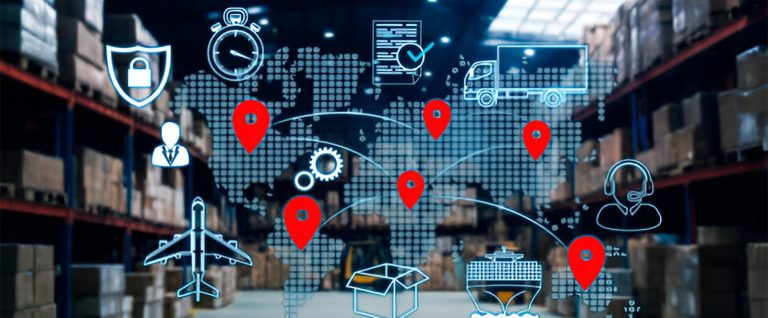
Installing a vision system at one station is a great start, but it’s not enough. True transformation happens when these systems stop being isolated islands of data and become part of a connected ecosystem. This is Quality System Integration.
Integration means connecting your vision systems, sensors, and gauges directly to your core business platforms—your Manufacturing Execution System (MES), Enterprise Resource Planning (ERP), and Product Lifecycle Management (PLM) software.
Why is this so powerful?
Closed-Loop Feedback: A vision system detects a recurring defect. Instead of just rejecting the part, an integrated system can automatically alert the machine upstream to adjust its parameters in real-time, preventing future defects.
Complete Traceability: Every inspection data point is tied to a specific product batch, machine, and time stamp. If an issue is found later, you can trace it back to its root cause in seconds, not days.
Data-Driven Decisions: Integrated quality data provides a holistic view of your production health, empowering managers to make smarter decisions about maintenance, process optimization, and continuous improvement.
The Bigger Picture: Your Journey of Digital Transformation
Ultimately, integrating smart quality systems is a cornerstone of your broader Digital Transformation. It’s about leveraging technology to create a smarter, more agile, and more resilient manufacturing operation.
A digitally transformed factory uses data as its lifeblood. It breaks down silos between design, production, and quality assurance. It uses digital twins to simulate and optimize processes before they ever touch the physical production line. This holistic approach doesn’t just improve quality; it boosts overall equipment effectiveness (OEE), reduces waste, and slashes time-to-market.
The Path to Zero Defects Starts with a Single Step
The journey to flawless production may seem daunting, but it begins with a strategic partnership. Flawless production and zero defects are no longer aspirational goals but achievable outcomes. By integrating intelligent Vision Systems and leveraging a comprehensive Digital Transformation, you can move from reacting to defects to preventing them. Don’t let your factory’s future be defined by yesterday’s problems. Contact APPSistem today to learn how we can help you integrate smart quality systems and begin your journey to a smarter, more efficient, and flawless production line.