Digital Transformation and PLM: A Competitive Advantage for Transportation Manufacturers
In the fast-paced, technology-driven world, digital transformation has become a cornerstone of success for industries across the board. For transportation manufacturers, embracing digital transformation is no longer optional—it is a necessity to stay competitive, innovate, and meet the ever-evolving demands of customers and regulators. One of the most powerful tools enabling this transformation isProduct Lifecycle Management (PLM). Together, digital transformation and PLM are reshaping the transportation manufacturing landscape, offering a significant competitive advantage to those who adopt them.
The Role of Digital Transformation in Transportation Manufacturing
Digital transformation refers to the integration of digital technologies into all aspects of a business, fundamentally changing how it operates and delivers value to customers. For transportation manufacturers, this translates to leveraging advanced technologies such as the Internet of Things (IoT), artificial intelligence (AI), big data analytics, cloud computing, and automation to streamline operations, enhance product quality, and improve customer experience.
The transportation industry is undergoing a seismic shift, driven by trends such as electric vehicles (EVs), autonomous driving, and sustainability mandates. These changes require manufacturers to rethink their traditional processes and adopt a more agile, data-driven approach. Digital transformation enables transportation manufacturers to:
Enhance Operational Efficiency: By digitizing processes, manufacturers can reduce manual errors, optimize supply chains, and improve production timelines.
Accelerate Innovation: Digital tools allow for faster prototyping, simulation, and testing, enabling manufacturers to bring cutting-edge products to market more quickly.
Improve Customer Experience: With real-time data and analytics, manufacturers can better understand customer needs and deliver personalized solutions.
Ensure Compliance: Digital systems help manufacturers stay compliant with stringent industry regulations by providing accurate, auditable records.
The Power of PLM in Transportation Manufacturing
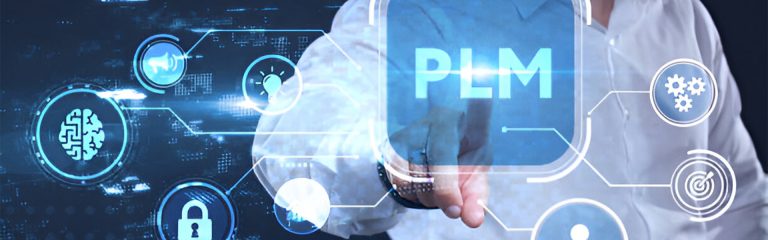
Product Lifecycle Management (PLM) is a strategic approach to managing the entire lifecycle of a product, from ideation and design to manufacturing, service, and disposal. For transportation manufacturers, PLM is a game-changer, offering a centralized platform to manage complex product data, collaborate across teams, and ensure consistency throughout the product lifecycle.
In an industry where products are becoming increasingly complex—think electric vehicles with thousands of interconnected components—PLM provides the structure and visibility needed to manage this complexity effectively. Here’s how PLM benefits transportation manufacturers:
Streamlined Collaboration: PLM breaks down silos by enabling cross-functional teams to collaborate in real-time, ensuring everyone is working with the most up-to-date information.
Faster Time-to-Market: By integrating design, engineering, and manufacturing processes, PLM reduces delays and accelerates product development cycles.
Cost Reduction: PLM helps identify and eliminate inefficiencies, reducing waste and lowering production costs.
Improved Quality: With PLM, manufacturers can track and address quality issues early in the design phase, preventing costly recalls and rework.
Sustainability: PLM supports sustainable practices by enabling manufacturers to optimize resource usage and design products with end-of-life recycling in mind.
The Synergy Between Digital Transformation and PLM
When combined, digital transformation and PLM create a powerful synergy that drives innovation and efficiency in transportation manufacturing. Digital transformation provides the technological foundation, while PLM offers the framework to manage and optimize product development processes. Together, they enable manufacturers to:
Leverage Data-Driven Insights: By integrating PLM with IoT and big data analytics, manufacturers can gain real-time insights into product performance, customer usage patterns, and market trends.
Enable Smart Manufacturing: Digital transformation and PLM pave the way for smart factories, where machines, systems, and processes are interconnected and optimized for maximum efficiency.
Support Agile Development: The combination of digital tools and PLM allows manufacturers to adopt agile methodologies, responding quickly to changing market demands and customer feedback.
Enhance Supply Chain Visibility: With digital transformation and PLM, manufacturers can achieve end-to-end visibility into their supply chains, ensuring timely delivery of components and reducing bottlenecks.
Real-World Examples of Digital Transformation and PLM in Action
Several leading transportation manufacturers have already embraced the power of digital transformation and PLM to gain a competitive edge. For instance:
Electric Vehicle Manufacturers: Companies like Tesla and Rivian are leveraging digital tools and PLM to design and produce cutting-edge electric vehicles. From battery management systems to autonomous driving features, these manufacturers rely on digital transformation and PLM to innovate at scale.
Aerospace Manufacturers: In the aerospace industry, companies like Boeing and Airbus use PLM to manage the complex lifecycle of aircraft, ensuring safety, compliance, and efficiency. Digital transformation enables them to incorporate advanced materials, IoT-enabled sensors, and predictive maintenance solutions.
Rail and Maritime Manufacturers: Companies in the rail and maritime sectors are using digital transformation and PLM to optimize the design and operation of trains, ships, and port infrastructure. This includes everything from energy-efficient propulsion systems to smart logistics solutions.
Challenges in Adopting Digital Transformation and PLM
While the benefits of digital transformation and PLM are clear, transportation manufacturers face several challenges in adopting these technologies:
High Initial Investment: Implementing digital transformation and PLM requires significant upfront investment in technology, infrastructure, and training.
Cultural Resistance: Shifting to a digital-first mindset can be challenging for organizations with deeply ingrained traditional processes.
Data Security Concerns: With increased digitization comes the risk of cyberattacks and data breaches, requiring robust security measures.
Integration Complexity: Integrating digital tools and PLM systems with existing legacy systems can be complex and time-consuming.
Despite these challenges, the long-term benefits far outweigh the initial hurdles. Manufacturers that successfully navigate these challenges will be well-positioned to lead the industry in the years to come.
How APPSistem Can Help Transportation Manufacturers
At APPSistem, we understand the unique challenges and opportunities faced by transportation manufacturers. Our digital transformation services are designed to help automotive manufacturers and related industries harness the power of technology to drive innovation, efficiency, and growth.
We specialize in implementing PLM solutions tailored to the specific needs of transportation manufacturers. Our team of experts works closely with clients to:
Assess Current Processes: We conduct a thorough assessment of your existing processes and identify areas for improvement.
Design Custom Solutions: We design and implement customized digital transformation and PLM solutions that align with your business goals.
Provide Training and Support: We offer comprehensive training and ongoing support to ensure a smooth transition and maximize the value of your investment.
Ensure Data Security: We prioritize data security, implementing robust measures to protect your sensitive information.
With APPSistem as your partner, you can unlock the full potential of digital transformation and PLM, gaining a competitive advantage in the rapidly evolving transportation industry.
Conclusion
In an era defined by rapid technological advancements and shifting market dynamics, digital transformation and PLM are no longer optional fortransportation manufacturers. They are essential tools for staying competitive, driving innovation, and meeting the demands of a rapidly changing world. By embracing these technologies, manufacturers can streamline operations, reduce costs, and deliver superior products to market faster.
At APPSistem, we are committed to helping automotive manufacturers and related industries navigate this transformation. Our digital transformation servicesand PLM solutionsare designed to empower your business, enabling you to thrive in the digital age. Connect with us to learn how we can help you achieve your goals and secure your place as a leader in the transportation industry.