Vehicle Simulation for Smarter Mobility
Modern vehicles—from personal cars to commercial fleets—are equipped with sensors that generate vast amounts of operational data. Vehicle simulation leverages this data to:
- Test performance in various traffic, weather, and load conditions.
- Evaluate safety systems without physical crash tests.
- Support autonomous vehicle development through virtual testing environments.
Transportation agencies also use real-time traffic flow modeling to optimize signal timing, reroute vehicles during congestion, and improve road safety.
Supply Chain Simulation for Resilience and Efficiency
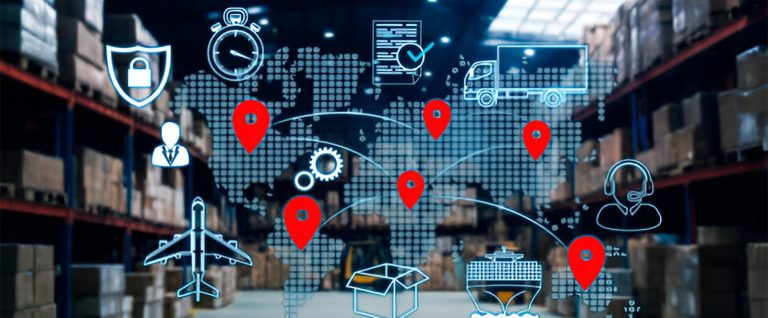
Global supply chains are more complex and interconnected than ever. Supply chain simulation allows companies to model disruptions, evaluate contingency plans, and identify efficiency improvements before implementing changes.
With real-time modeling, businesses can:
- Predict the ripple effect of supplier delays.
- Optimize routes to reduce transportation costs and emissions.
- Balance inventory levels with demand to avoid stockouts or overstocking.
Such simulations are particularly valuable for industries that depend on just-in-time delivery or have geographically dispersed manufacturing networks.
Smart City Integration for Connected Urban Systems
Smart city integration brings together transportation, utilities, public services, and digital infrastructure into a single connected ecosystem. Simulation enables city planners to:
- Test how new transport routes affect congestion.
- Optimize placement of EV charging stations.
- Plan for emergency scenarios such as road closures or severe weather events.
These models, when fed with real-time IoT data, allow cities to continuously adjust and improve their mobility and infrastructure strategies.
The Role of Digital Twin Technology
A digital twin is a virtual replica of a real-world system that updates dynamically with live data. When applied to vehicles, supply chains, or cities, digital twins:
- Enable continuous monitoring of asset performance.
- Allow “what-if” testing without operational risk.
- Support predictive maintenance to reduce downtime.
For example, a city’s transportation network could have a digital twin incorporating live traffic feeds, public transport data, and weather forecasts—enabling planners to instantly model the impact of changes and implement the best solutions.