Importance of Machine Vision in Modern Industries
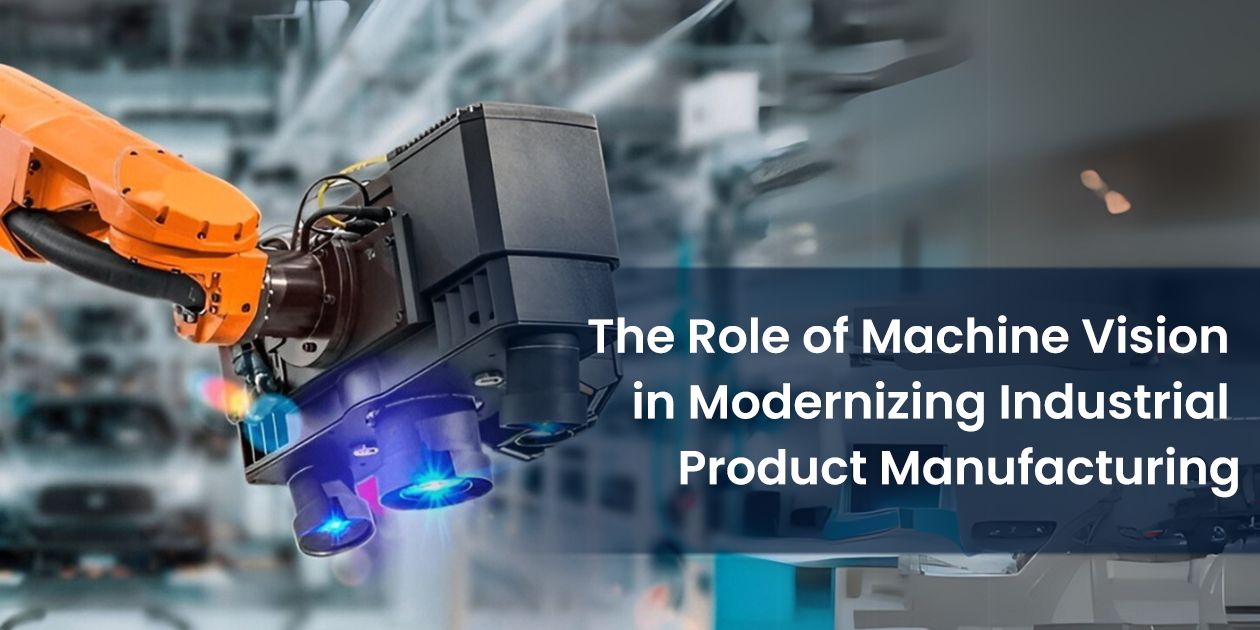
Machine vision has emerged as a transformative technology, revolutionizing various industries. By enabling machines to “see” and interpret their surroundings, it enhances efficiency, precision, and quality control.
Here’s a deeper look into its significance:
Enhancing Quality Control
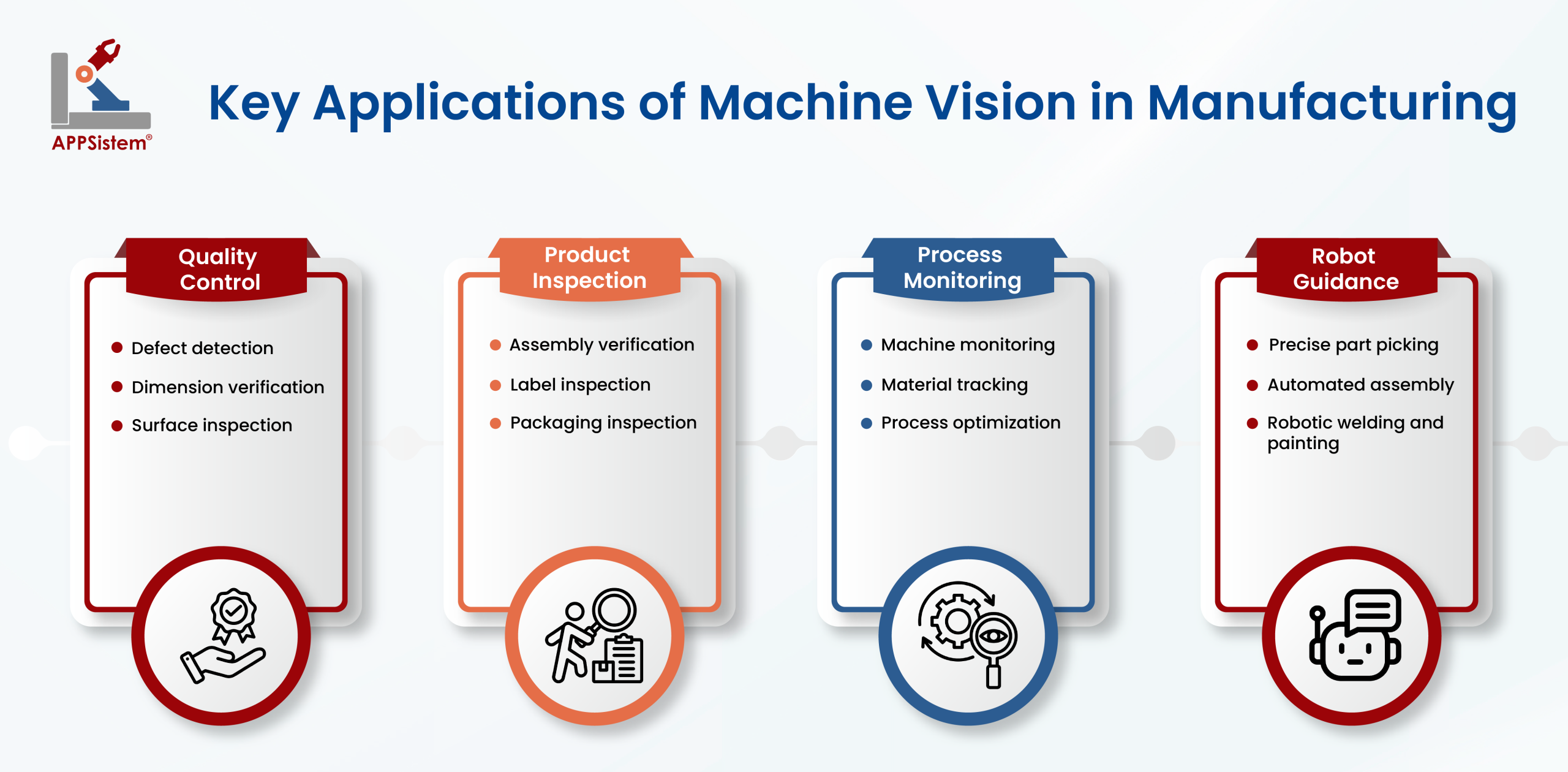
Machine vision systems are revolutionizing quality control processes. They can accurately identify defects, imperfections, and anomalies in products, ensuring that only high-quality items reach the market. These systems also excel at precise dimension verification, reducing human error and improving consistency. Additionally, machine vision enables thorough surface inspections, detecting scratches, dents, and other surface defects, particularly crucial for products with aesthetic appeal.
Optimizing Manufacturing Processes
Machine vision plays a pivotal role in optimizing manufacturing processes. Real-time monitoring capabilities enable early detection of issues, preventing costly downtime and enhancing overall efficiency. Furthermore, machine vision systems can verify the accurate assembly of components, ensuring that products adhere to stringent specifications. By providing visual feedback, these systems empower robots to execute complex tasks with precision, including object manipulation, welding, and painting.
Driving Innovation in Industries
Machine vision is transforming various industries. In the automotive sector, it is employed for quality control, assembly line automation, and the development of autonomous vehicles. Within the electronics industry, it plays a crucial role in inspecting circuit boards, placing components, and conducting final product testing. In the food and beverage industry, machine vision systems ensure food safety and quality by detecting defects, contaminants, and foreign objects.
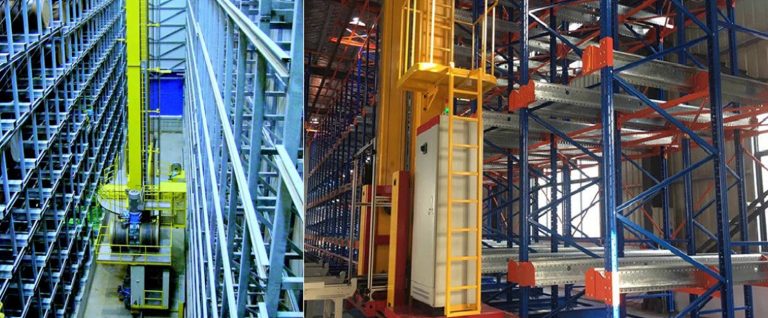
The pharmaceutical industry leverages machine vision for precise dosage measurement, pill counting, and label verification. Additionally, the logistics and warehousing industry benefits from automated tasks like barcode scanning, inventory management, and package sorting, all facilitated by machine vision systems.
Future Trends and Impact
The future of machine vision is marked by significant advancements. The integration of AI and machine learning empowers these systems to learn from data, enabling them to make more intelligent decisions. Additionally, 3D vision systems offer a deeper understanding of the 3D world, facilitating applications like object recognition, gesture recognition, and autonomous navigation. To further enhance real-time capabilities, edge computing enables the processing of image data at the device level, reducing latency and improving decision-making speed.
Challenges and Considerations in Implementing Machine Vision
While machine vision offers numerous benefits, its successful implementation involves addressing certain challenges and considerations:
Technical Challenges
- Lighting Conditions: Ensuring consistent and adequate lighting is crucial for optimal image capture. Variations in lighting conditions can significantly impact image quality and the accuracy of analysis.
- Image Quality: Factors like camera resolution, lens quality, and sensor sensitivity affect image quality. Poor image quality can hinder accurate analysis and decision-making.
- Computational Power: Processing large volumes of image data in a short time requires substantial computational resources. The choice of hardware and software must be carefully considered to ensure efficient processing.
- Calibration: Accurate calibration of the camera and lens system is essential for precise measurements and object recognition. Calibration errors can lead to inaccurate results.
Integration Challenges
- Compatibility: Integrating machine vision systems with existing production lines and equipment can be complex, requiring careful planning and coordination.
- Data Security: Protecting sensitive data, such as product designs and manufacturing processes, is essential. Robust security measures must be implemented to safeguard data privacy.
- Maintenance and Support: Regular maintenance and updates are necessary to ensure the optimal performance of machine vision systems. A reliable support system is crucial to address any issues that may arise.
Economic Considerations
- Initial Investment: The initial investment in hardware, software, and integration costs can be significant.
- Return on Investment (ROI): While machine vision can offer substantial long-term benefits, it’s essential to carefully assess the potential ROI to justify the investment.
- Training and Expertise: Skilled personnel are required to design, implement, and maintain machine vision systems. Training and development programs are necessary to build the necessary expertise.
Ethical Considerations
- Job Displacement: The automation of tasks through machine vision may lead to job displacement. It’s important to consider the social and economic implications of this technological advancement.
- Data Privacy: As machine vision systems collect and process large amounts of data, it’s crucial to ensure data privacy and security.
To mitigate these challenges and maximize the benefits of machine vision, it is crucial to:
- Conduct a thorough feasibility study: Assess the specific needs and requirements of the application.
- Choose the right hardware and software: Select components that are compatible with the application and offer the necessary performance.
- Develop robust algorithms and models: Implement advanced image processing and machine learning techniques to extract meaningful information from images.
- Train and empower personnel: Provide training to operators and engineers to effectively use and maintain machine vision systems.
- Establish a robust maintenance and support plan: Regular maintenance and updates are essential to ensure optimal performance.
- Consider the ethical implications of machine vision: Implement measures to protect data privacy and minimize job displacement.